Somerset County Home Cemetery
Location Somerset, Pennsylvania
•
Years of Operation Unclear
•
Number of Graves at least 200
About
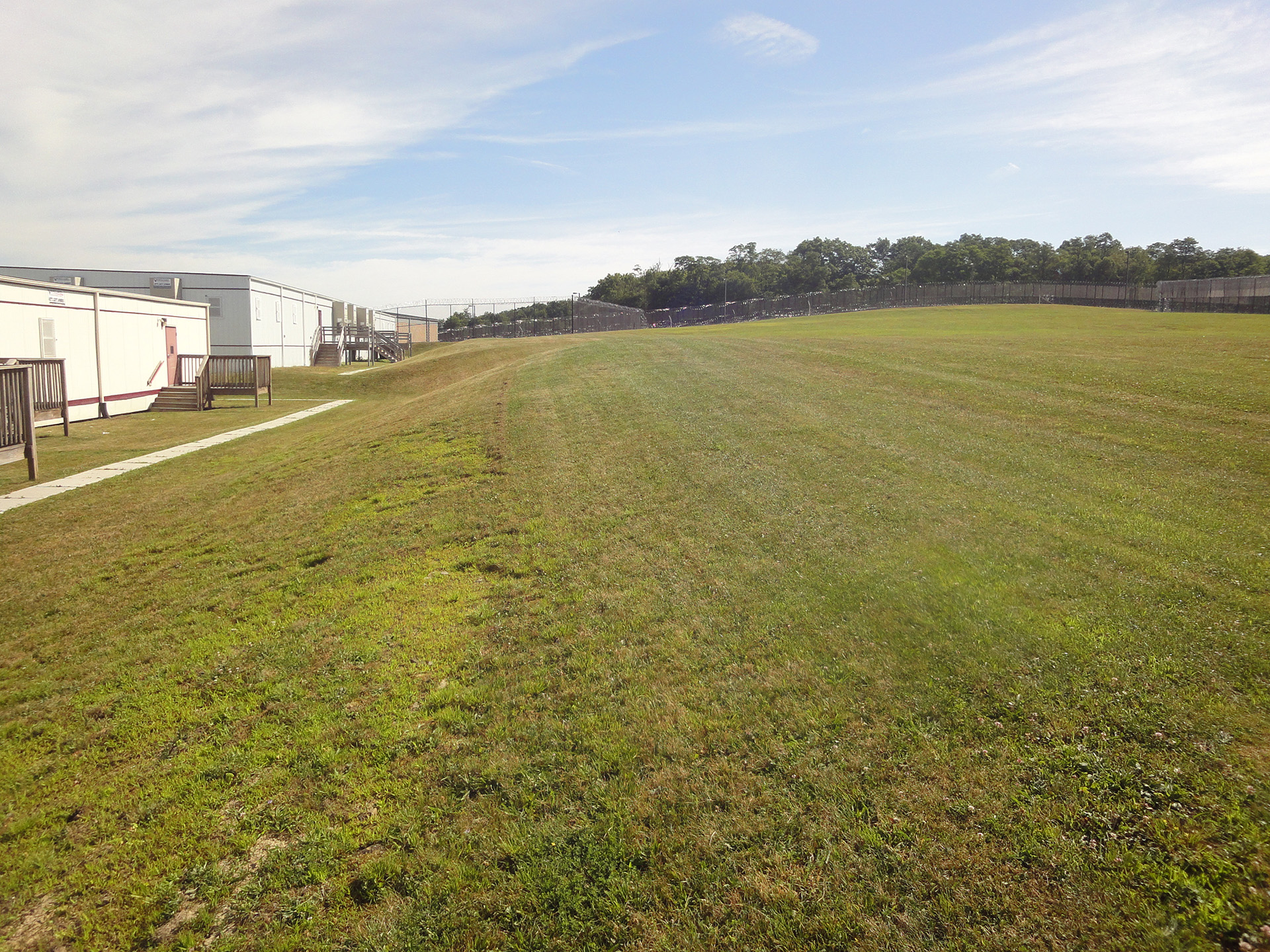
The history of the Somerset campus exemplifies how institutions frequently changed hands and adapted to new purposes over the centuries. This complex began as the Somerset County Poor House in the mid-nineteenth century. At the turn of the century, the Poor House developed an additional ward for those deemed insane. By the 1940s, Somerset had transitioned from a county-run institution to a state-run institution. The patient population also shifted from an emphasis on insanity to one on mental disability. After the State Hospital closed in 1995, the facility transformed once more into a minimum-security prison. It is now known as State Correctional Institution Laurel Highlands.
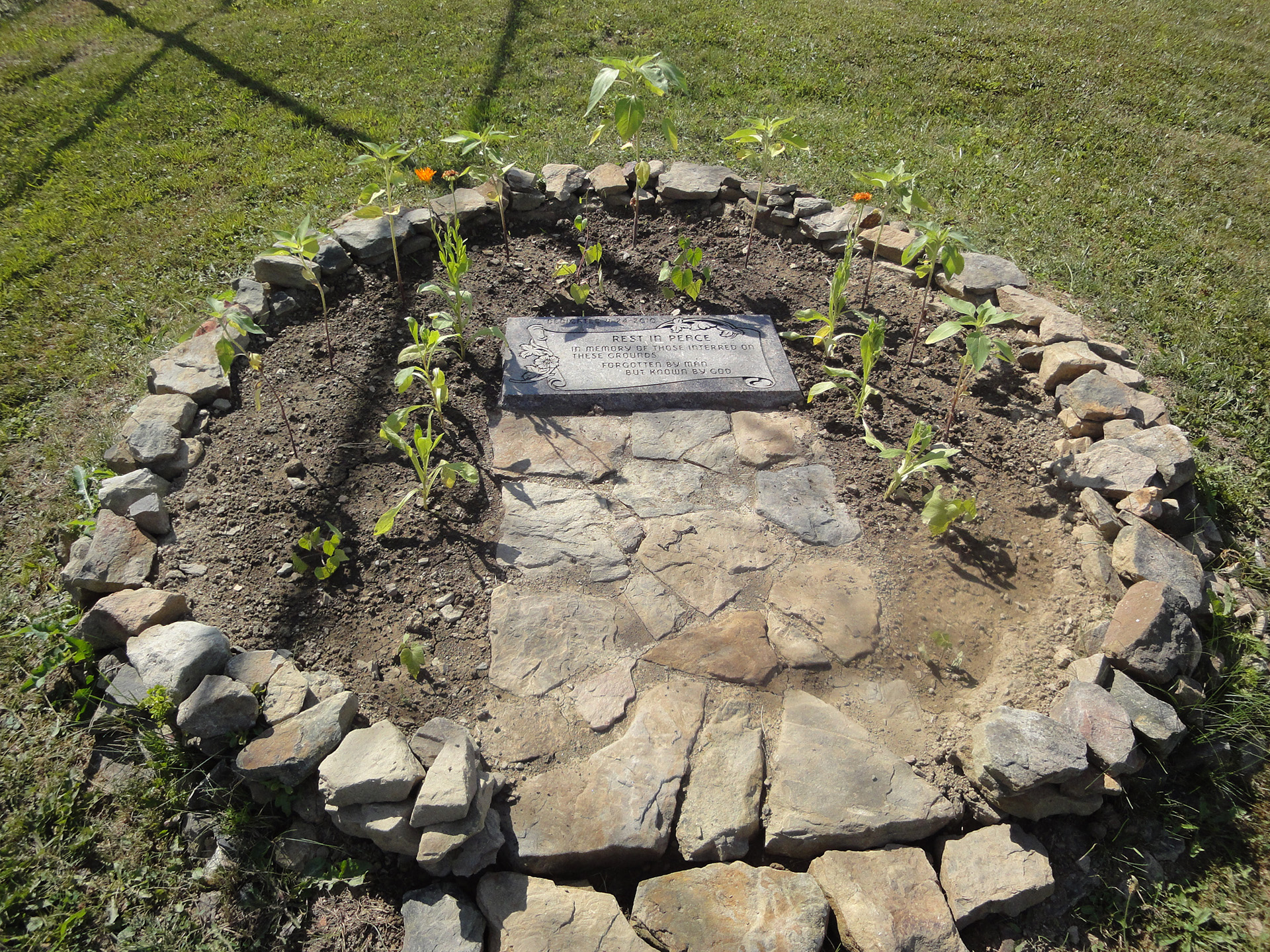
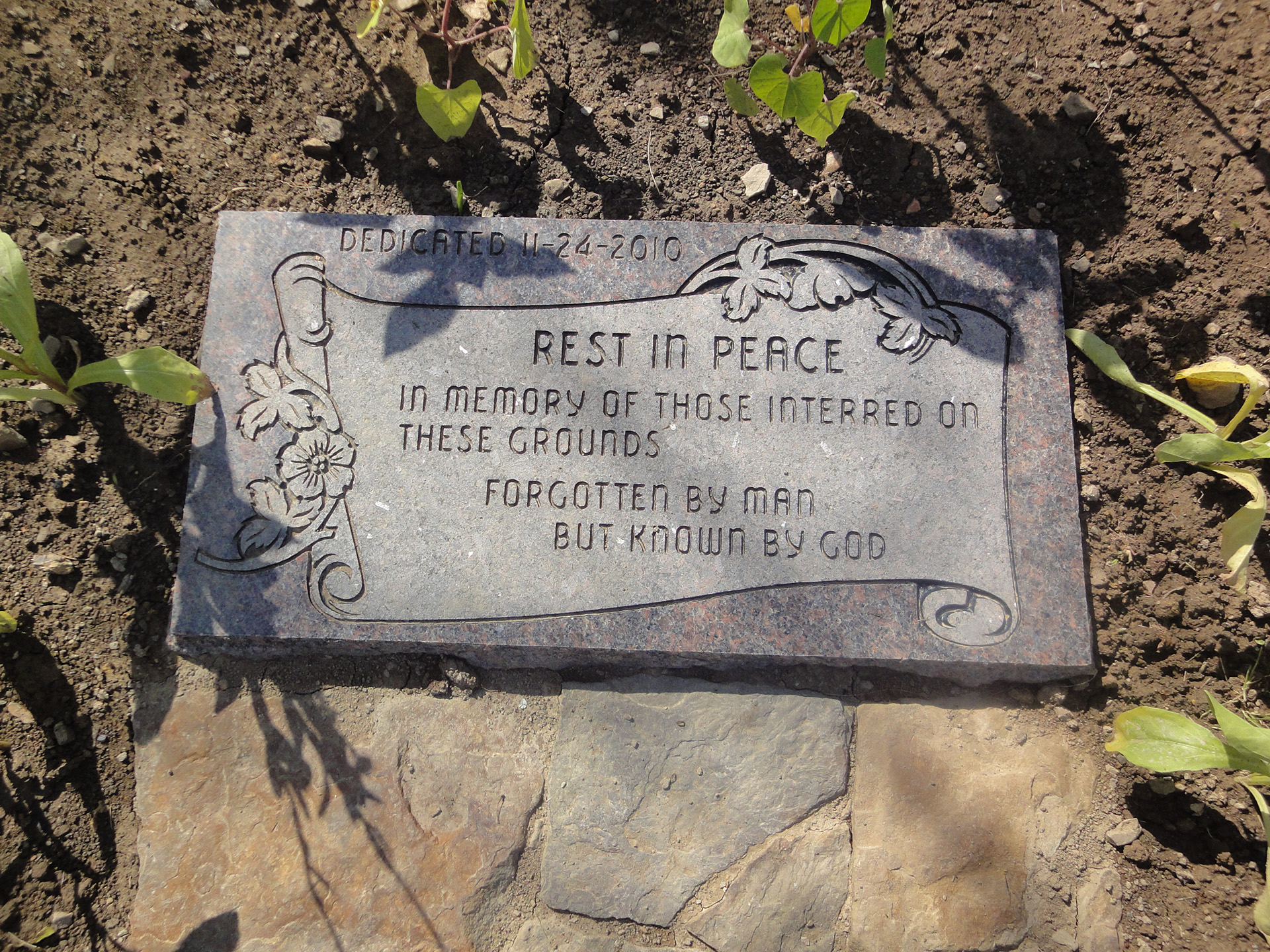
Somerset also demonstrates how important local research is for memorializing cemeteries and their institutional histories. A team of researchers, which included prison employees, determined that there are at least two cemeteries on the grounds and developed a detailed timeline for the institution, available on findagrave. Burials date back to the institution’s time as a county poorhouse, and it is unclear whether the hospital continued to use the county cemetery after changing to state control. One burial area, now fenced in, was disturbed by construction on the prison grounds in 2010. Mercyhurst College’s forensics department aided in documenting and reinterring the bodies elsewhere. A plaque was dedicated later that year. It reads, “Rest in Peace. In memory of those interred on these grounds. Forgotten by man but known by God.” This cemetery is also known as the Somerset State Hospital Cemetery.
The cemetery is located on correctional facility grounds and is not accessible to the public.

Learn More
"Team digs deep for answers of unmarked Somerset cemetery" – an article about the forensic investigation by Mercyhurst
"From Asylum to Prison" by Anne E. Parsons – further reading on the transition of state hospitals into prisons