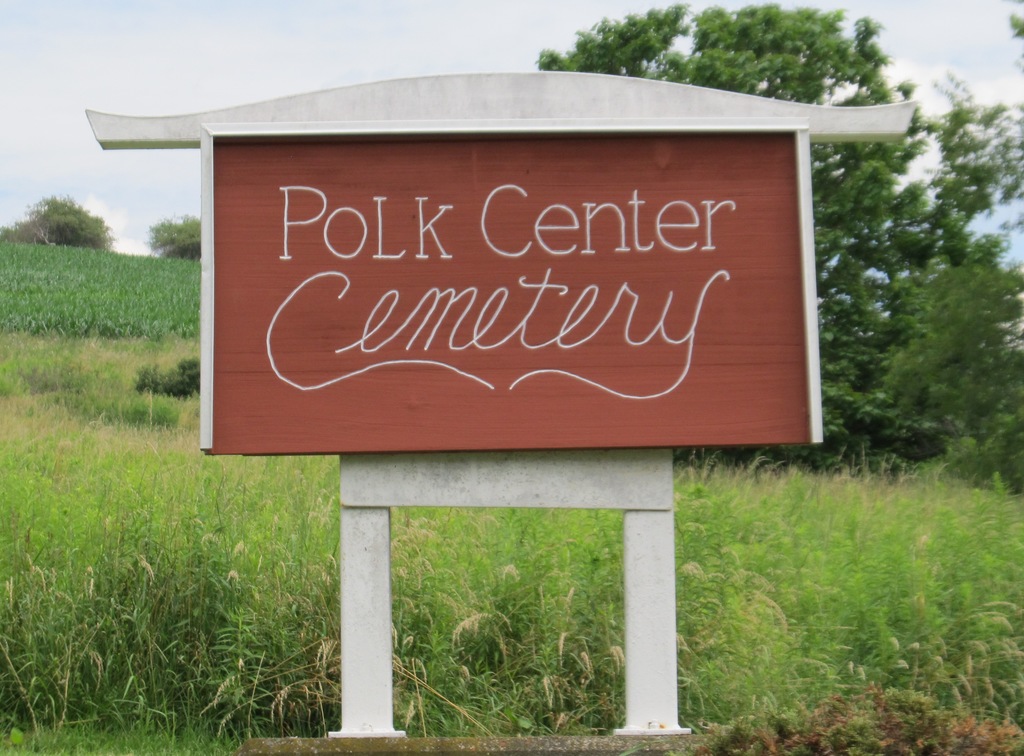
Polk Center Cemetery
Location Polk, Pennsylvania
•
Years of Operation 1897-1979
•
Number of Graves 1456
About
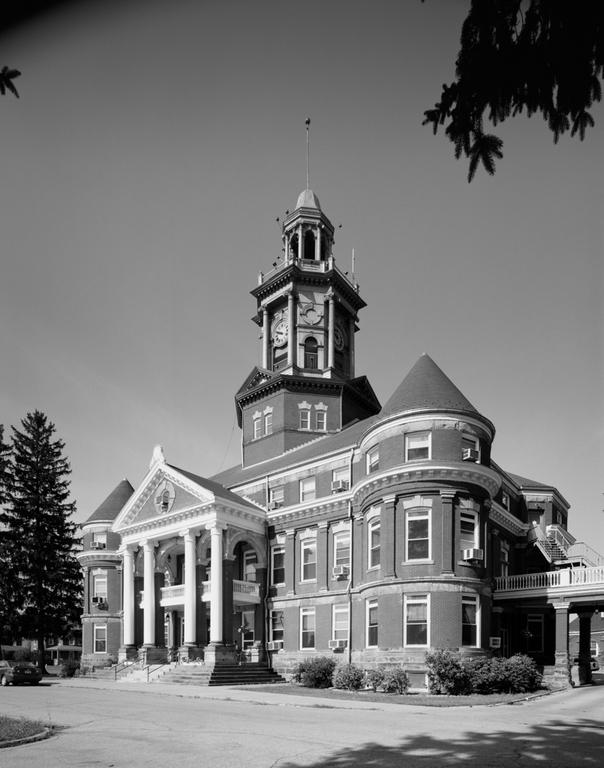
The State Institution for the Feeble-Minded of Western Pennsylvania was designed by Frederick John Osterling. The first 153 residents arrived all at once in 1897, transferred from a private institution, the Pennsylvania Training School for Feeble-Minded Children at Elwyn. At its peak in the 1950s, the institution held more than 3500 people of all ages. Its population gradually decreased beginning in the 1960s, and in 1970 its name was changed to Polk Center. In the 1990s, the state of Pennsylvania charged multiple members of Polk’s medical staff with manslaughter, neglect, and endangerment that had caused the deaths of four residents. The facility remained open until May 1, 2023.
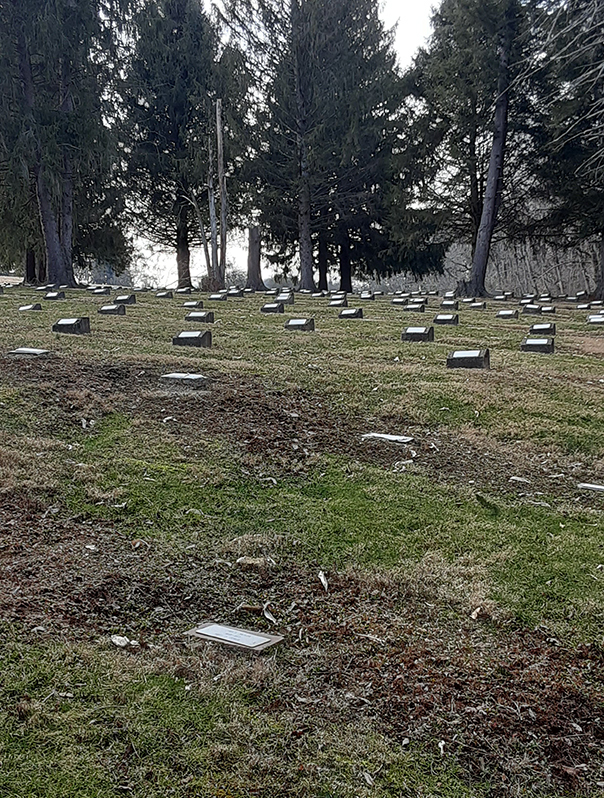
The Polk Center Cemetery was restored in the early 1980s and rededicated in 1985. Ginny Thornburgh, then first lady of Pennsylvania spearheaded the restoration. Thornburgh was also a member of the Allegheny County ARC, an activist group that visited state institutions to investigate their living conditions. In addition to exposing overcrowding and horrific conditions for those living at Polk, Thornburgh was mortified by the fact that the cemetery’s grave markers were only numbers–-some reflected order of burial while others were a person’s identification number. Polk Center residents engraved new aluminum plates that listed names, birth and death dates, and “Rest in Peace.” In the decades since the rededication, the cemetery has been relatively well maintained. According to a sign at the cemetery, nine people have been exhumed from the cemetery and reburied in family plots. It is unclear how or whether maintenance will continue after Polk Center’s closure. The cemetery is also known as Polk State School Cemetery.
Access information is unknown.
Learn More
Polk Center Project – an effort by the Western Pennsylvania Disability History & Action Consortium to preserve the history of Polk Center and document the stories of people who lived and worked at Polk.
Interview with Ginny Thornburgh - An oral history conducted by Temple's Institute on Disability, in which she discusses Polk Center and its cemetery.